👎Alexander and the Terrible, Horrible, No Good, Very Bad Day👎
Feb 10, 2026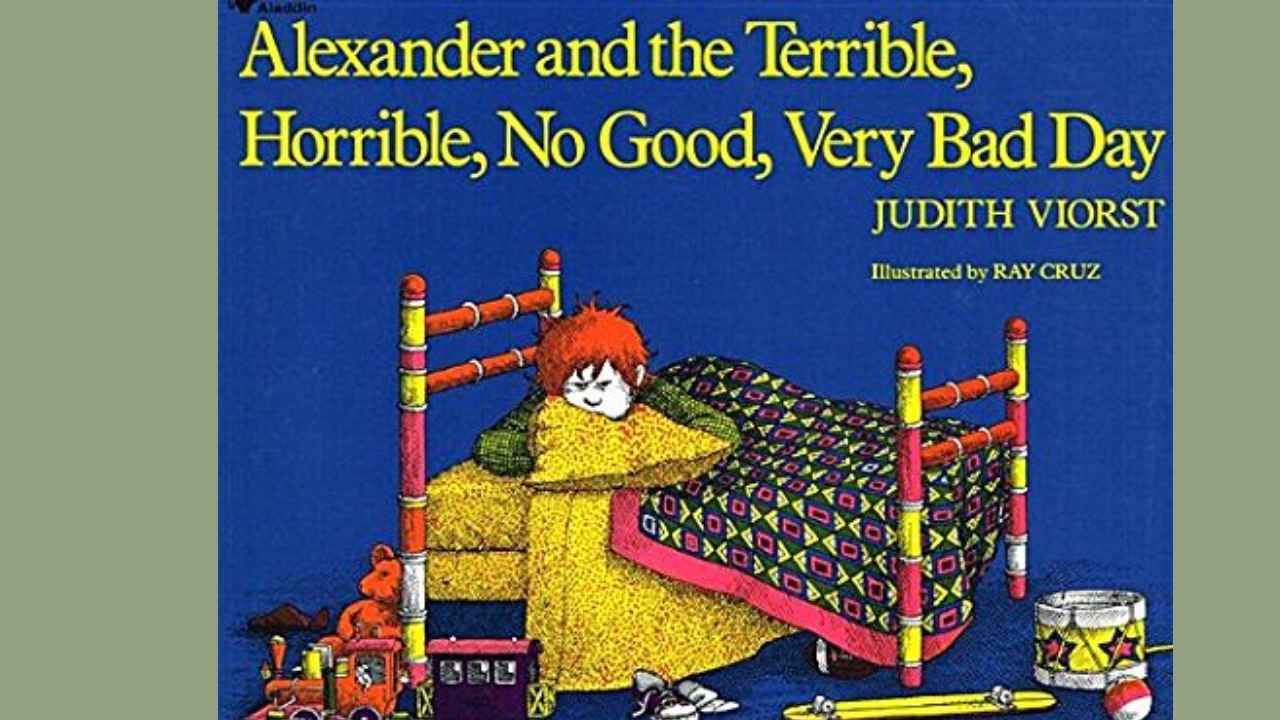
This post contains affiliate links. As an Amazon Associate, I earn from qualifying purchases at no cost to you. Thank you for supporting the work.
Alexander and the Terrible, Horrible, No Good, Very Bad Day: When Discomfort Gets a Voice
I’m revisiting a few of those favorites here in a series I’m calling Picture Books for the Grown-Up Soul. It turns out, the stories we used to read at bedtime still have something to say at breakfast.
This month, we're talking about discomfort: how we relate to it, how quickly we try to get rid of it, and what happens when we don't. It makes Alexander and the Terrible, Horrible, No Good, Very Bad Day a perfect companion.
The first time someone explained the thought cycle to me I immediately thought of Alexander. Some of you know it as the creation cycle. I like to call it the clarity cycle because once you name what’s happening, things start to make a little more sense.
Let me share the highlights in case you don’t know the book.
The day starts with gum in Alexander’s hair, a dropped sweater in the sink, and no prize in his cereal box. He’s only made it to breakfast, but clearly it’s going to be one of those days, so he starts thinking about moving to Australia.
On the way to school, he’s squished in the back seat. He tries to speak up. No one listens. That’s when Alexander delivers his famous line:
“I could tell it was going to be a terrible, horrible, no good, very bad day.”
He decides early and spends the rest of the day proving himself right.
It’s a funny book as Alexander “suffers” through teacher corrections, friendship drama, white shoes, lima beans, and kissing on TV. His list of grievances grows longer, his case stronger, and his mood gets worse with each turn of the page.
We laugh at the exaggeration because it’s so true.
I often grab onto his line on a crazy day and find myself saying, I’m moving to Australia. I’m having a terrible, horrible, no good, very bad day.
But you know the ending (spoiler alert if you don’t).
As his mother tucks him in bed, she reminds him,
“Some days are like that… even in Australia.”
there’s so much comfort in that sentence. Somehow naming the bad day, making it story-sized, helps make the discomfort feel…less uncomfortable. Isn’t that what we all want?
The thing about Alexander is that he doesn’t just have a bad day; he decides it’s a bad day, and then he proves it.
Don’t we do the same thing?
Once we decide it’s a bad day, we start noticing the traffic, the coffee spill, the missed bill — and we make them mean our whole life is bad. We validate our negative experience until we’ve built a courtroom case to prove that life is unfair.
Alexander lives out the clarity cycle perfectly.
Thought → Feeling → Action → Result
He thinks it’s a terrible day.
He feels miserable.
He acts out.
And, surprise… it’s a terrible, horrible, no good, very bad day.
To be fair, he’s not wrong about the facts. He really did have gum in his hair. He really did get the white shoes. There really was kissing on TV.
The problem is the discomfort becomes the whole story. That’s probably why we all love this book. We all do it.
And even if we bring the thought cycle in to look at this children’s book, we don’t get to skip the discomfort. We do get to choose not to let our thoughts run wild to escape it. Which is why Alexander’s mother’s words are so important.
When his mom tucks him into bed and says, “Some days are like that, even in Australia,” she’s naming the thing we resist: acceptance.
It doesn’t erase the bad day. It helps us remember that bad days are part of the story — but not the whole story.
So maybe this funny kids’ book is an invitation to us grown-ups:
Let the hard day just be a day.
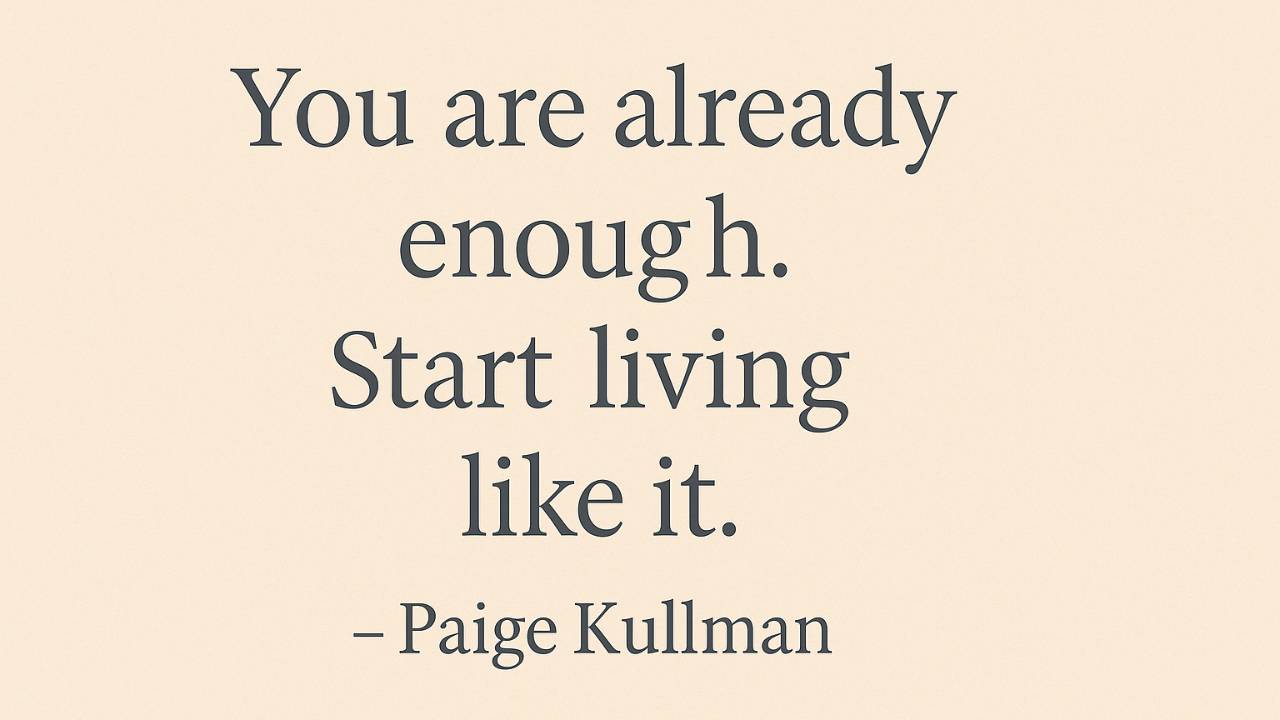
Don’t accept it as the definition of your life.
Because some days really are like that, even around here.
I’ll be cheering you on (but not from Australia). 😉

Don’t forget about 🥛Full Glass February 🥛
You can catch up with Picture Books for the Grown-Up Soul here
🐈The Cat That Climbed the Christmas Tree
🚂The Little Engine That Could 🚂
Honestly, the whole Alexander series is a masterclass in the thought cycle gone wild:
(affiliate links)
All by Judith Viorst — and all reminders that we’re not stuck with our story forever.